Marek’s
Let’s talk about Marek’s, even though we don’t want to.
At the end of December 2025, a customer contacted me with concerns about her birds that had hatched in mid-September here at Flower Feather Farm. She had picked them up in late October and all was well until late December, when suspicious Marek’s-like symptoms appeared. Eventually two birds died and she and I worked out a way to get necropsies done (she handled the logistics, I paid the bill) and yes, they had died of Marek’s.
I panicked. Had they left our farm with Marek’s? Did they pick it up elsewhere? How could I know? How could I find out? First thing I did was pull all the listings for older birds off of my website. I knew that Marek’s does not pass through the hatching eggs, so I could continue to sell baby chicks in good conscience, but I wanted to know more before I offered older birds again.
My husband (freshly retired and embracing the farm life) and I did a deep-dive into Marek’s. We learned that some birds naturally resist Marek’s and some succumb. The ones most likely to succumb are birds between 6 and 20 weeks, exactly the time-frame in which the two confirmed Marek’s losses occurred.
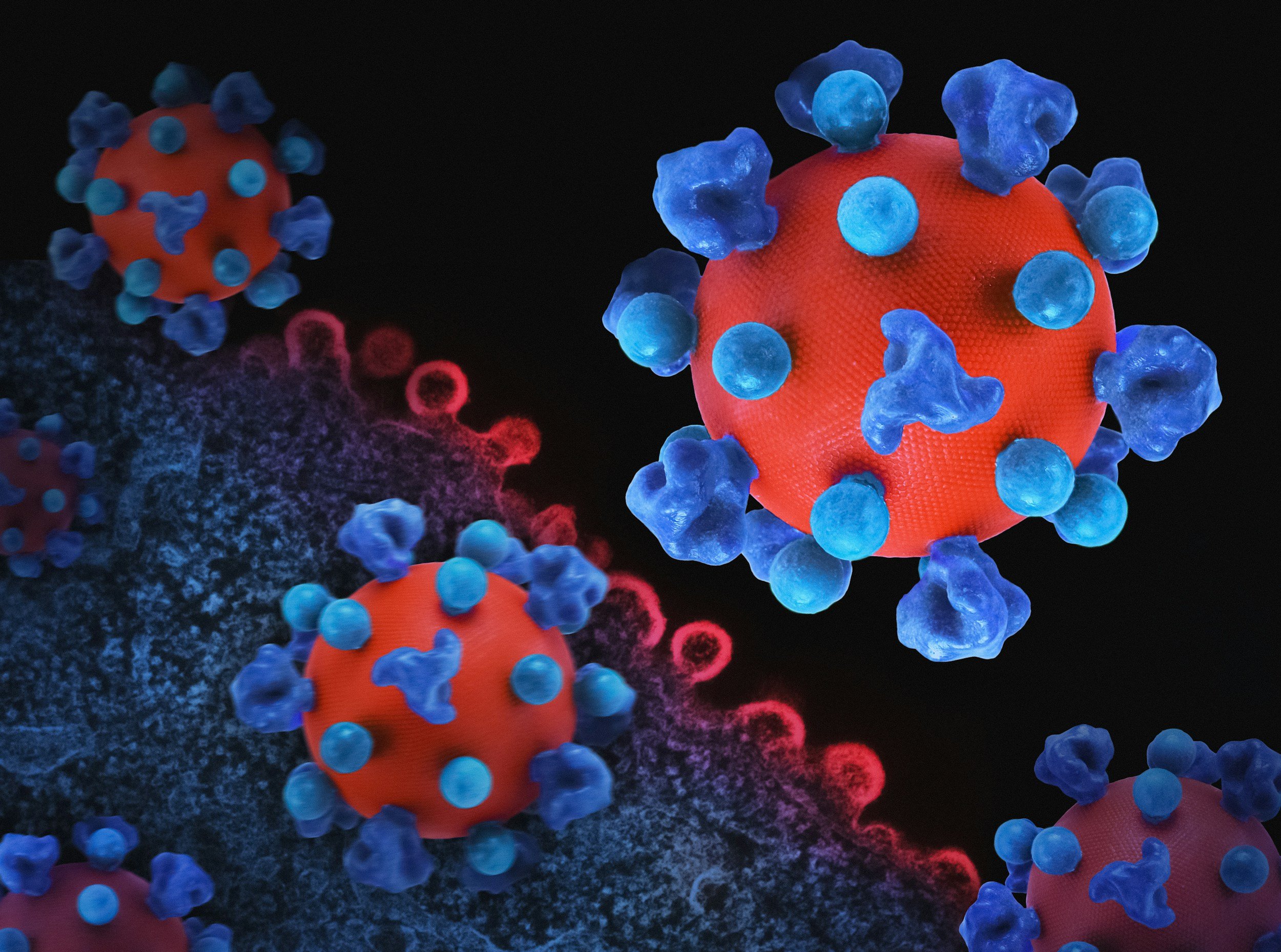
We learned that Marek’s is a herpes virus. Which is actually helpful to know. Just like a cold-sore virus, you can carry it around with no symptoms and no issues forever. And if you have contracted it, you will carry it forever as it doesn’t go away, your body just develops the ability to resist its advances.
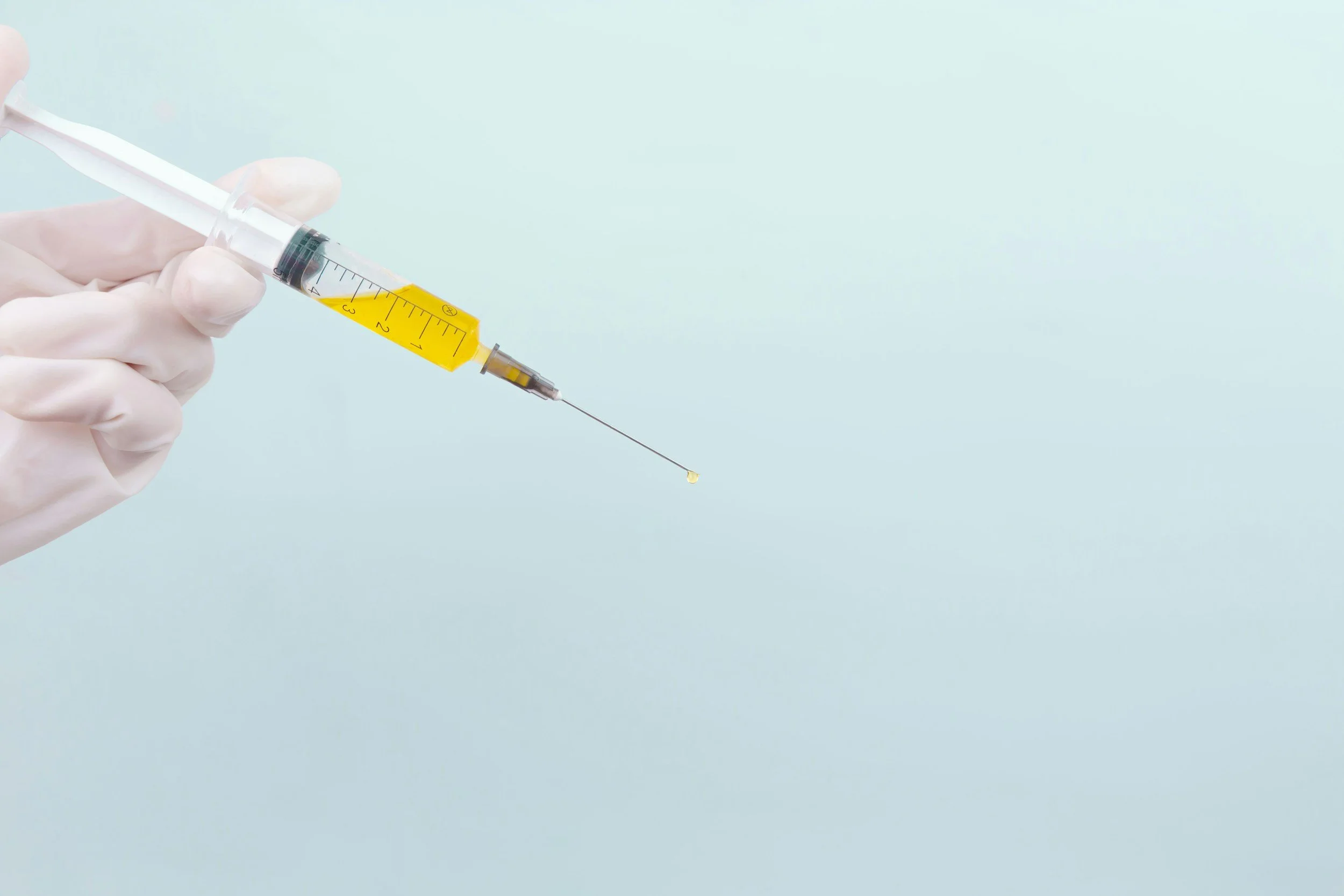
We looked into vaccinating against Marek’s. The vaccine requires elaborate sub-zero storage temperatures and we would have to buy 1000 doses at a time and use them all right away. The cost of the vaccine combined with the cost of the sub-zero shipping made this a non-option.
(There is another hatchery local to me that offers to vaccinate for $1 a chick. How they are doing this is a mystery to me. If you know, please let me know. I’m so curious.)
Also, we asked our Facebook followers — before learning how cost-prohibitive the vaccine was — if they would favor vaccinated vs non-vaccinated, and the non-vaccinated votes were in the majority.
Last week, I had an opportunity to talk to my favorite local bird vet, Dr. Robin Eggenberger of Kulshan Veterinary Hospital. She shared that Marek’s is absolutely everywhere — that anyone that walks into the feed store probably walks out with a bit of virus on them and that we should just assume that all flocks are positive for Marek’s exposure. I had no idea!
Dr. Robin said that there was really no way to know if the birds that died had left my property already exposed or if they had picked it up elsewhere, other than looking at death patterns of any birds on my property. Marek’s has lots of variations, each with its own set of symptoms, none of which we are seeing here. We have 90-120 birds, depending on where we are in the year, and yes, occasionally we find a dearly departed, but not with any of the Marek’s symptoms. Now that doesn’t mean that we don’t have the virus floating around the property, just that we don’t have birds succumbing to it, which is a good thing — our birds are able to resist it, assuming it is here.

We chatted a bit about how we handle biosecurity. Anyone stepping into our coop or pens gets to wear some fashionable blue booties. We do not go to or take birds to shows or the fair as I see those as disease vectors. We rarely bring birds onto the property from elsewhere — this winter’s Jubilee flock being the first adults in years and years, and they went promptly into quarantine in a building far away from our regular flocks. Other than this, all new birds arrive at my place inside of an egg.
I am really grateful I had the chance to talk with Dr. Robin, as I want to do what is responsible and prudent in the face of the possibility of Marek’s. She assured me that unless we are seeing Marek’s-style deaths in our flocks, I can continue to sell birds of all ages. I already knew it was okay to continue in good faith with the chicks, it was the juveniles and adults that I was questioning.
Even though I have her assurance that I can, in good conscience sell juveniles, I am not going to. They either need to go to their new homes as chicks, or wait out the vulnerable five months and go to their new homes as adults. Because even if there is not one smidge of Marek’s on my property, if I am sending juveniles out in the the world and they are exposed and succumb, that is a sorrow to my customer, and I would rather avoid that.
But I did want to jot down all my notes and share them with you. If you keep chickens, you have the risk of losing some to Marek’s. According to Dr. Robin, if you keep chickens, you most likely already have Marek’s exposure in your flock. This doesn’t mean all your birds will die, but some might, and the riskiest time is between 6 and 20 weeks of age. Though rare, it can be diagnosed in birds older than 1 to 1.5 years of age.
It’s important to me that I am sharing accurate information on this important topic, so I asked Dr. Robin to review it and confirm that I am faithfully reporting her information; she did, and I am. Her final advice to me was to, “Tell everyone that whenever you get chicks, pullets or even older birds, the virus can be there. It is basically everywhere. Expect losses, no matter what.”
So we won’t be offering to vaccinate, we will hold back birds from sale between a month-and-a-half and five months old, and we will all hope for the best — and be better informed in case of the worst. I think that’s the best we can do.
More info here: