Ugh. Poor birdies. I bought — sight unseen (and won’t be doing that again) — a flock of birds from someone and they have the worst infestation of Scaly Leg Mites (SLM) that I have ever seen. Painful, itchy, and depletes the birds of resources. Poor babies.
If you see these lifted deformed scales on your birds — and I hope you don’t — you have SLM in your flock.
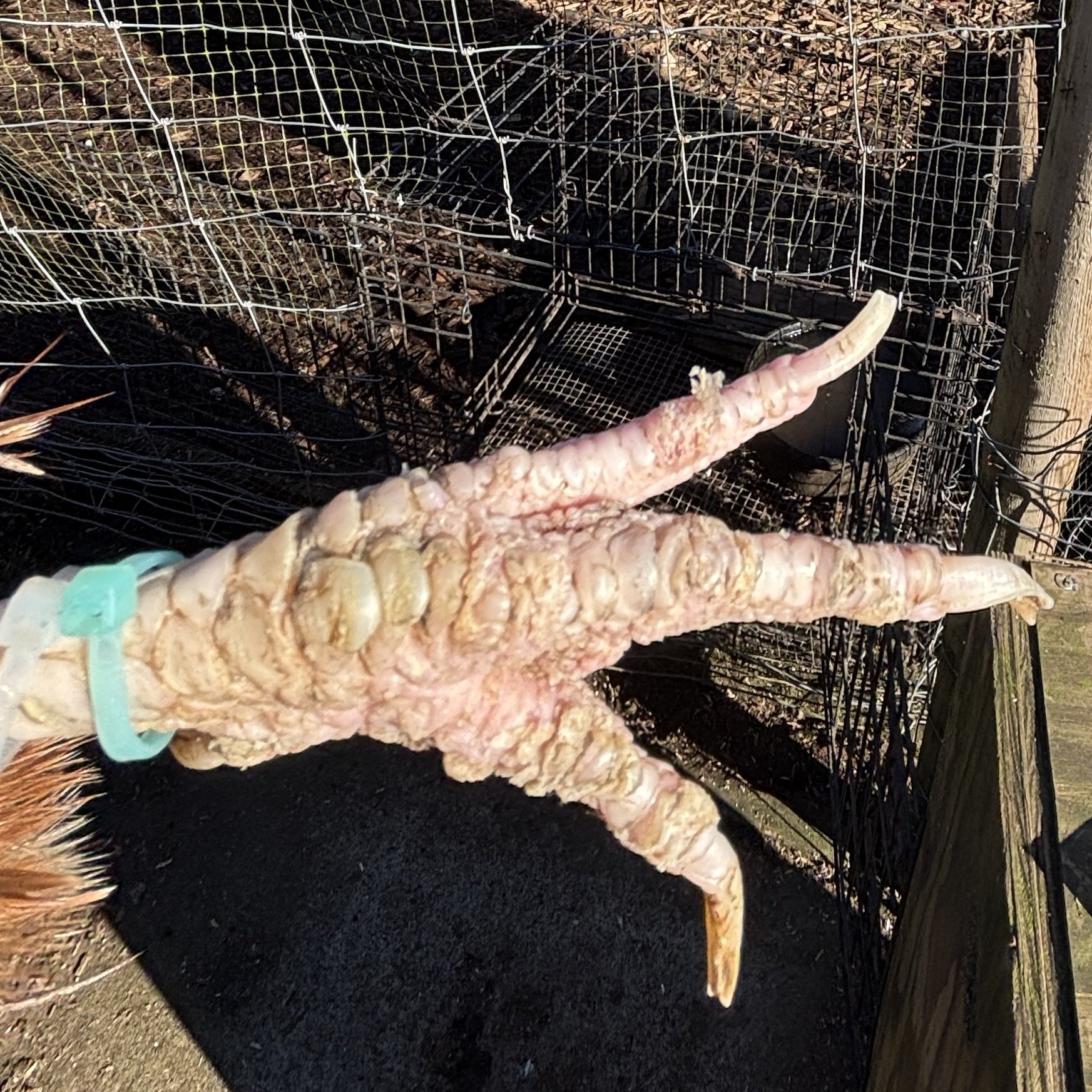
Lifted lumpy scales? Scaly leg mites.
Interesting that the nails have been recently trimmed, which means that someone had picked them up and looked at their feet. Not sure how they could have overlooked the SLM. Anyway . . .
Scaly Leg Mites Step One: Soak
First thing we did was get them all soaking in a warm Epsom Salt bath. These are different chickens getting a soak for Bumblefoot care, but you get the idea.
Scaly Leg Mites Step Two: Scrub
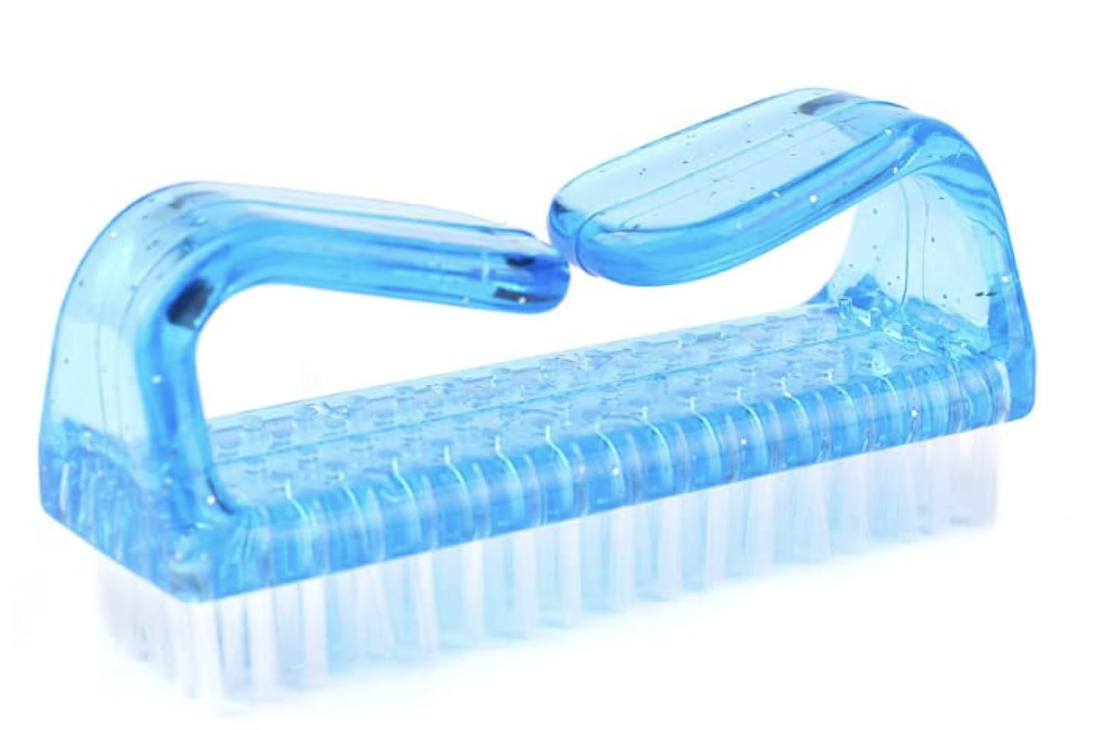
After the soak, I take a little fingernail brush and try to brush away as much gunk and dead scales as I can, as I want their feet as clean as possible for the final step, the Mineral Oil and Permethrin dip, and to have the scales softened so that dip can penetrate as much as possible.
Scaly Leg Mites Step Three: Ivermectin
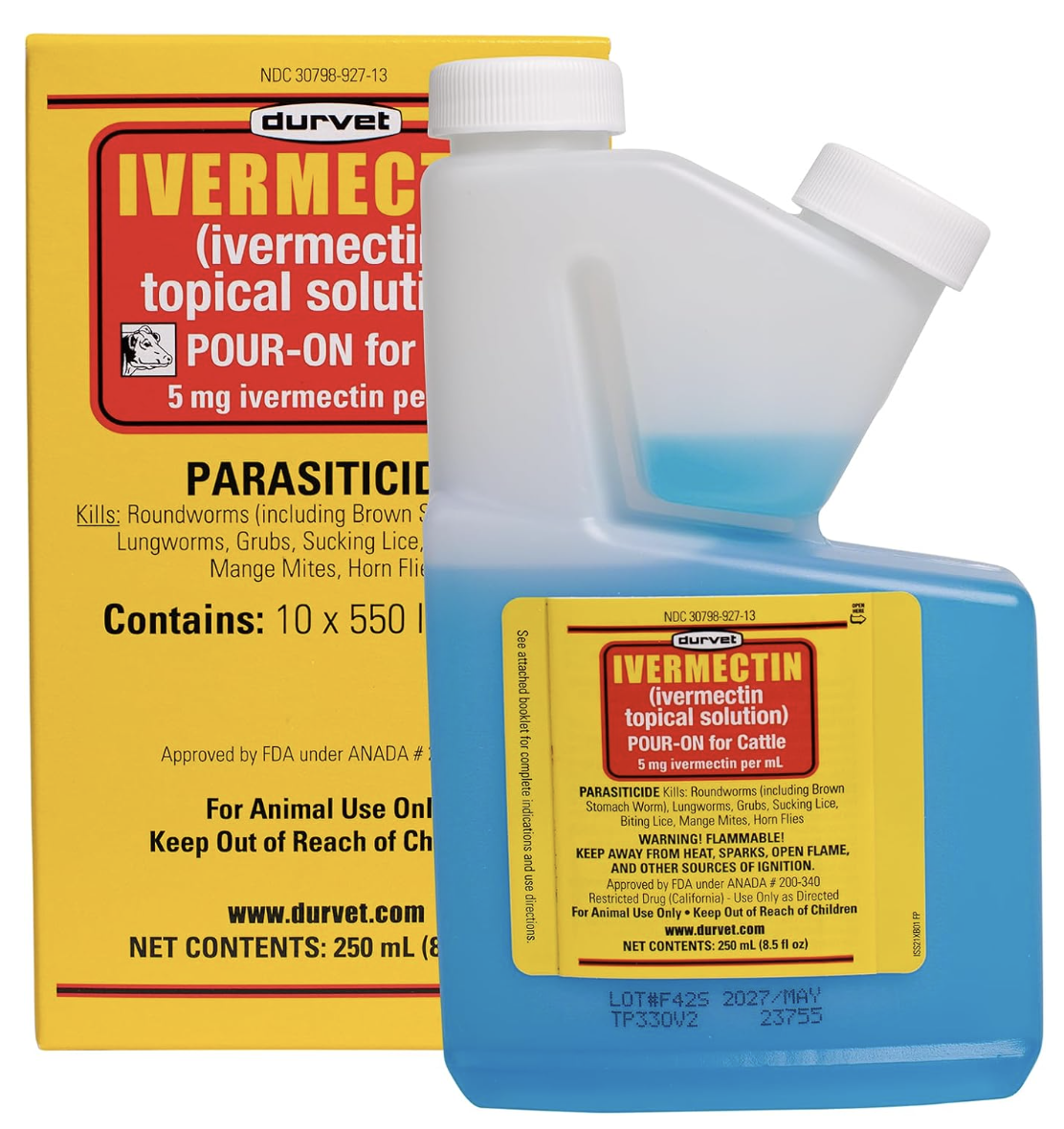
Before that however, we treat with Ivermectin. This is a common, but off-label use. I’m just telling you what we do, but you will want to do your own research and move forward accordingly.
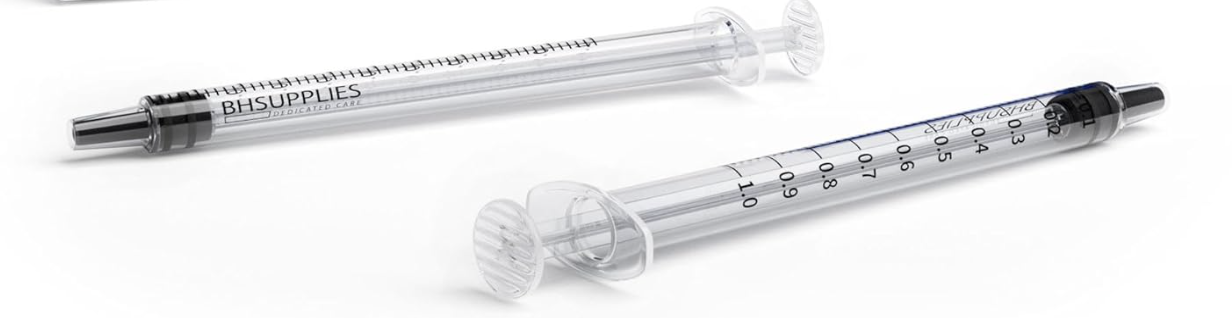
We use these syringes as they are much easier to pull than others we have tried. We research the correct dose and apply it to the back of each bird’s neck.
Please note the egg withdrawal period for birds treated with Ivermectin is very long. Most of the eggs laid here at Flower Feather Farm are for hatching, so this doesn’t matter to us. If the eggs at your farm are for the table you may want to find a different approach.
Scaly Leg Mites Step Four: Permethrin Dip
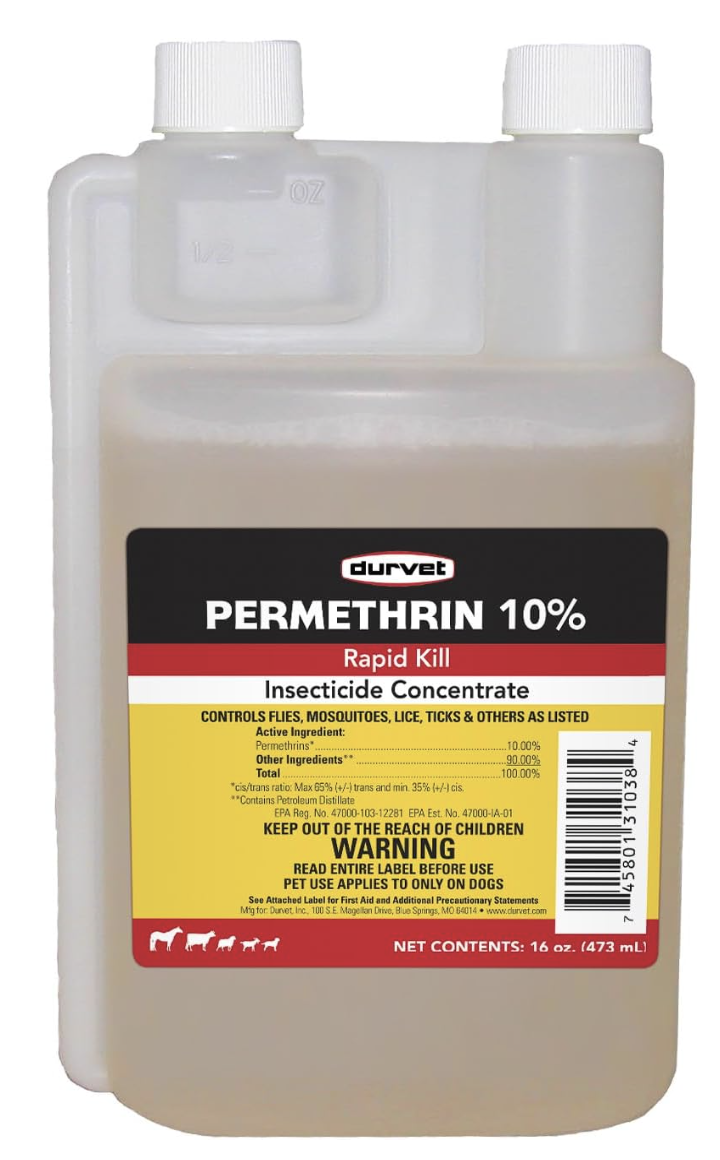
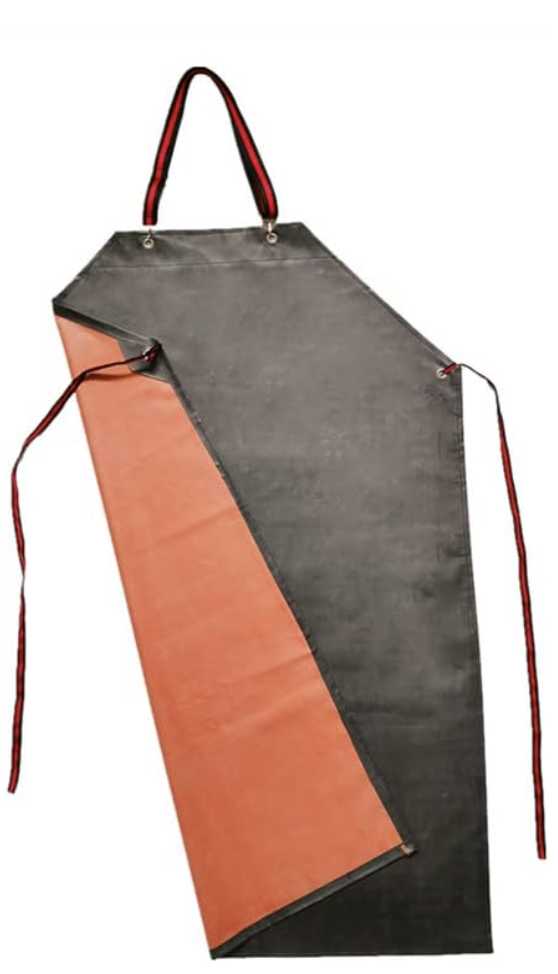
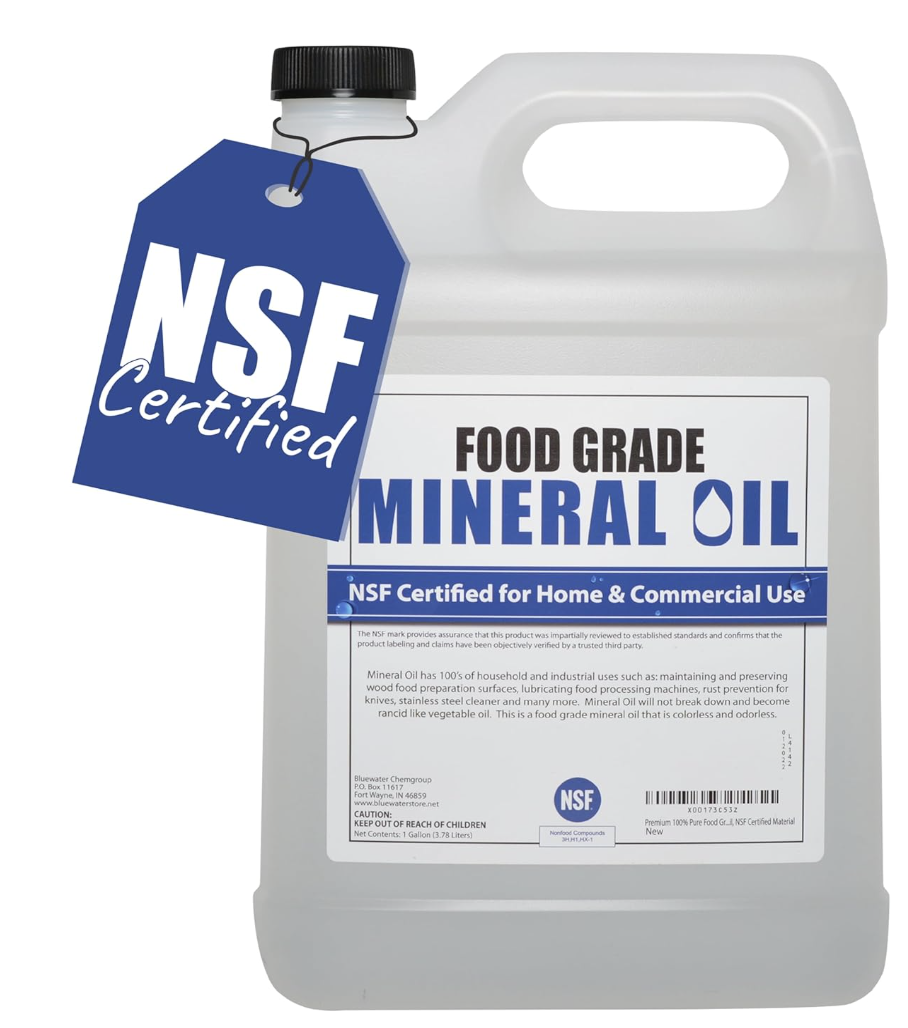
The final step is the Mineral Oil and Permethrin dip, The Mineral Oil helps the Permethrin adhere to the skin so it can do its job. You do want to be very strategic about where you do this part of the task, as Permethrin is toxic to kitties. Be very cautious. I wear a butcher’s apron that is stored away from kitties and we do the actual dipping in the run where kitties cannot go.
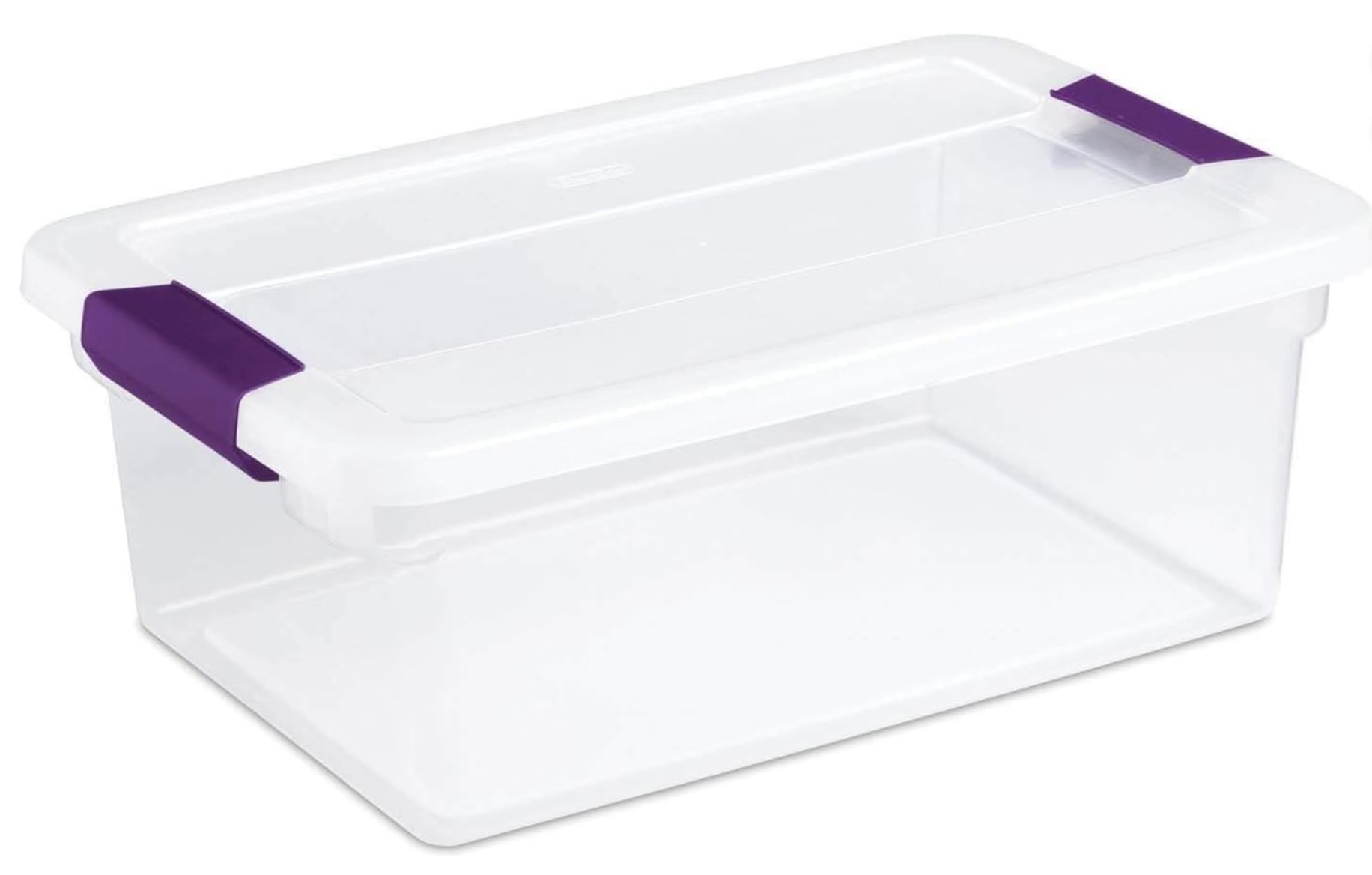
In a tub with a lid, I combine Mineral Oil with Permethrin per the product label instructions and then I dip the birdie in, making sure the legs are submerged, but not the body. Again, we do this in the coop or run, so if there are drips or spills, I can be assured that the kitties can’t get into it.
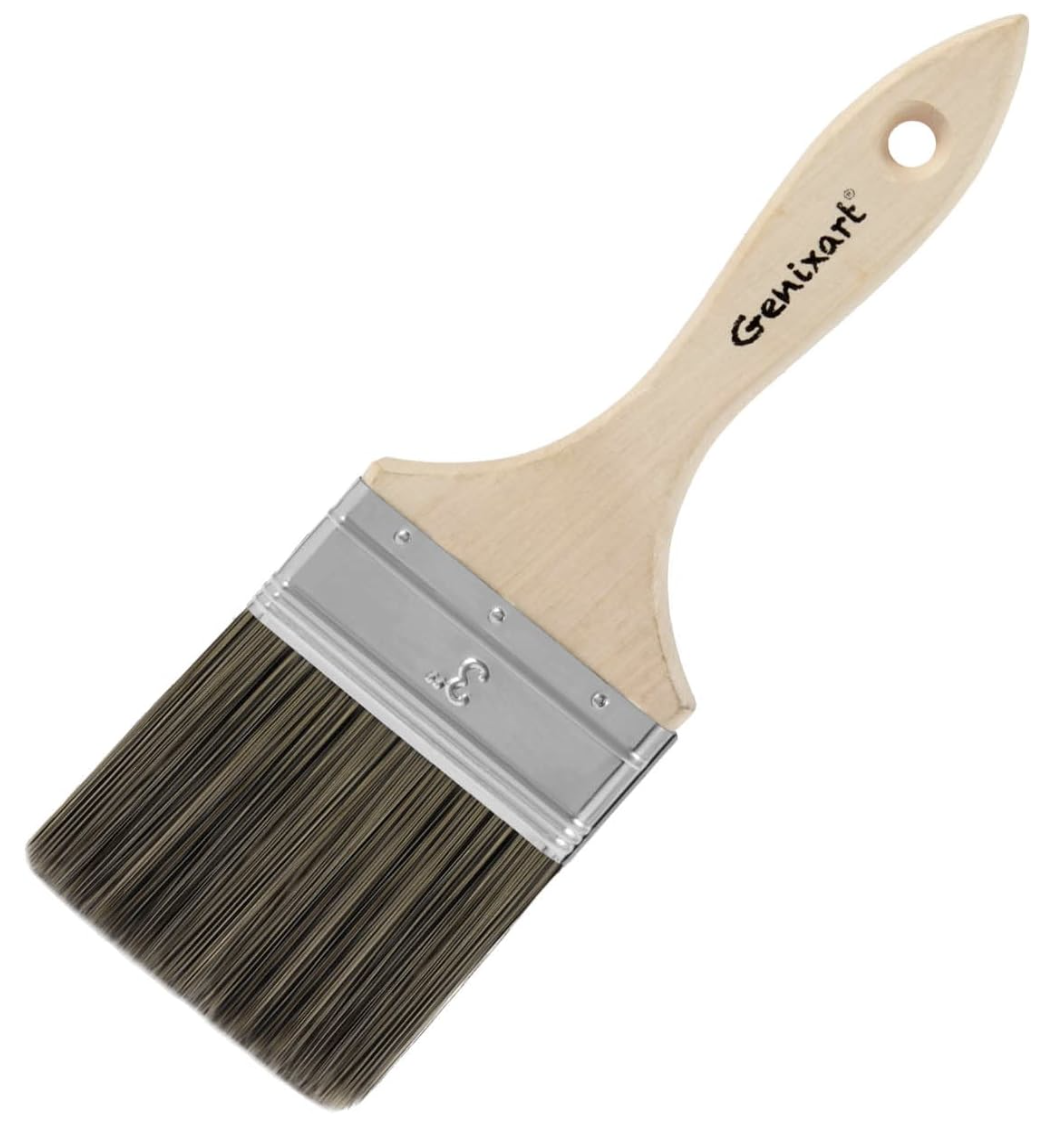
Then we use a paintbrush to spread leftover dip on the roosts and store the clearly labeled tub — “Permethrin Toxic to Kitties” — with its lid on (you can pop the paintbrush in there too) in a location that is not accessible to kitties.