When Can I Put my Chicks Outside?
Well that depends on many things, chiefly the weather and what your outside set-up looks like. Protection from predation, rain, and wind is important, as is reliable supplemental heat.
The rule of thumb is that they need to be ten weeks old if the overnight low is going to around 30. Nine weeks for overnight low of 45, eight weeks for 55, seven weeks for 65, six weeks for a low of 70, five weeks for a low of 75, four weeks for 80, 3 weeks for 85, and so on (chart at end of article).
That said, I put them out at four weeks at about any time of year, and two weeks old in the warmer months. What? Yes. That young, but with supplemental heat.
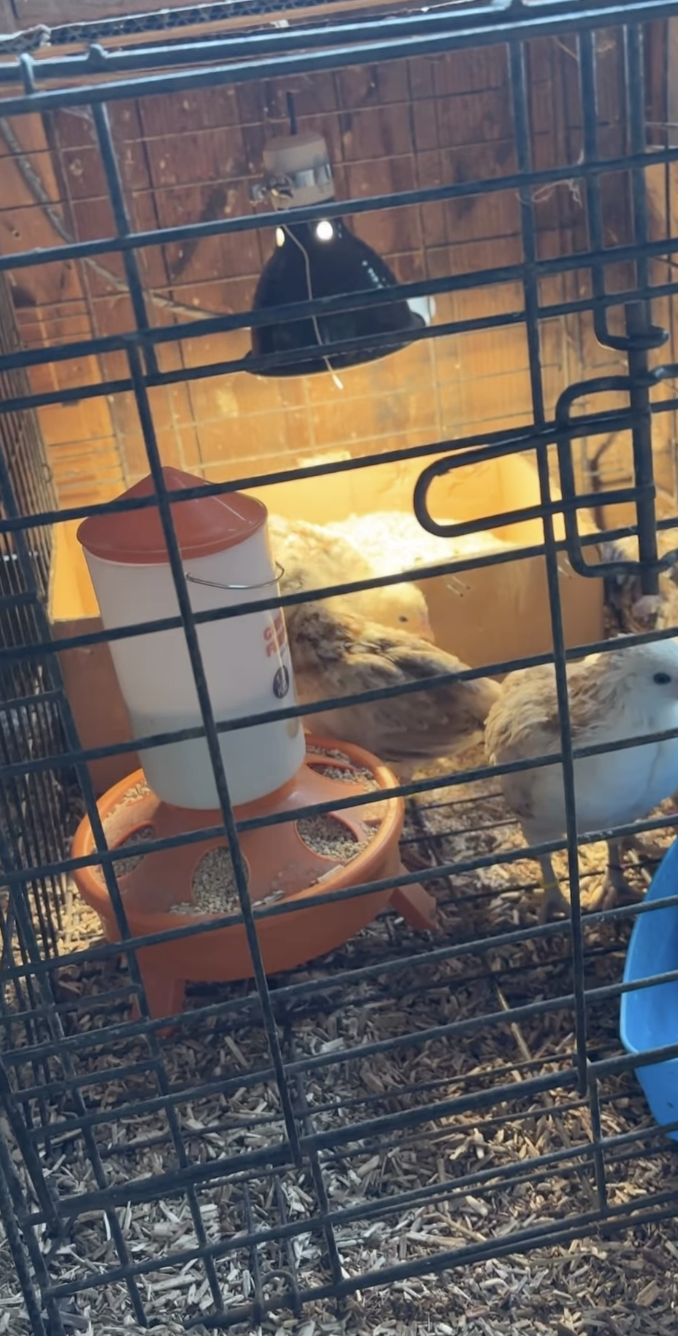
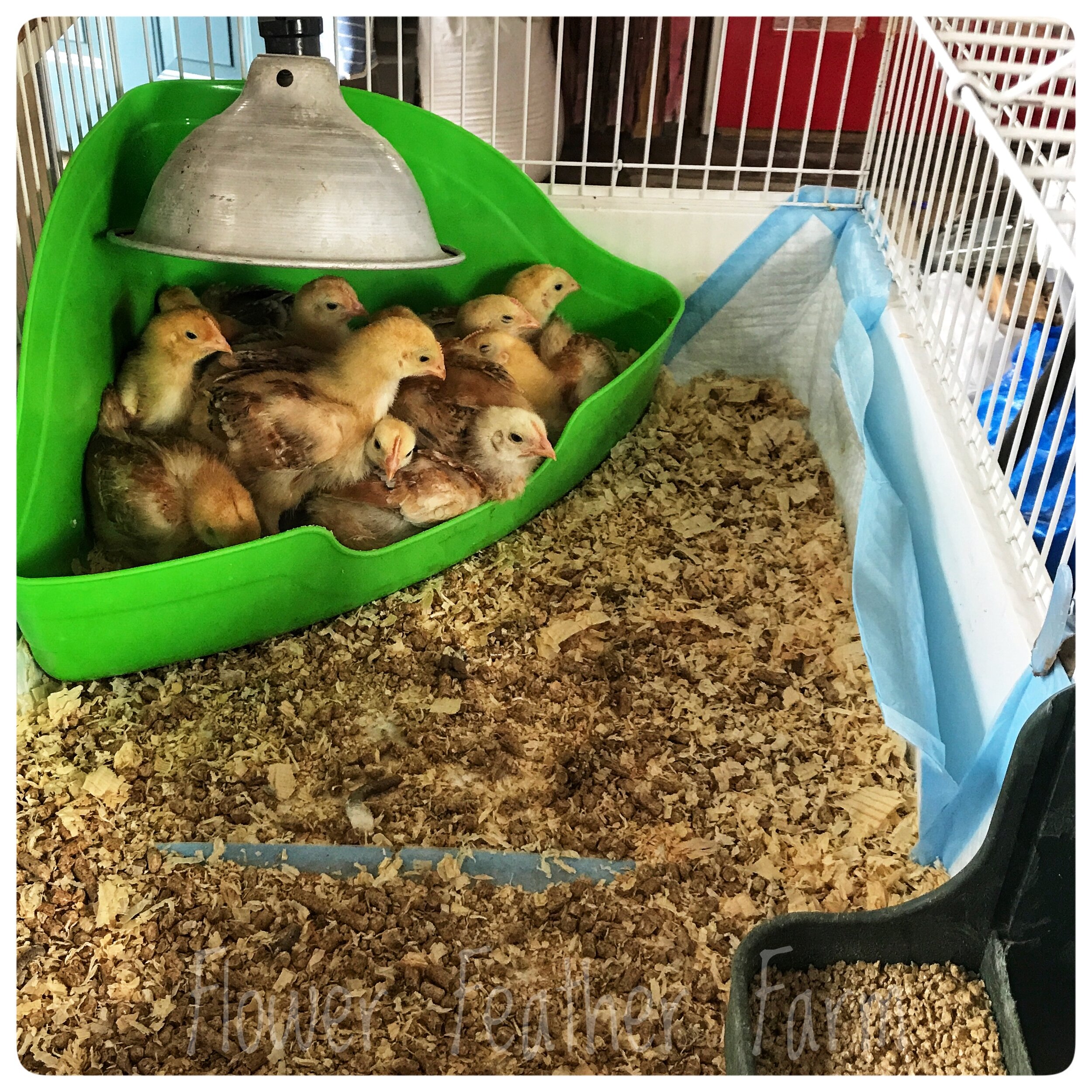
Two- and three-week old chicks, living outside in the Creamery.
We live on an old dairy farm and converted the Creamery attached to the Milk Barn into the Fort Knox of grow-out pens. We set up a primary heat source — a brooder plate for example — and a supplemental heat source — a reptile bulb — on an Inkbird Thermostat with WiFi. This will kick in if the temp drops to add additional heat and will serve as back-up if your primary heat source dies, don’t underestimate the importance of back-up heat. Be sure to get the wifi Inkbird for these reasons:
it is far easier to program the app than it is to program the device
I can monitor the real-time temperature from afar
I can change the settings each week as the chicks grow
I can view the temperature history over time.
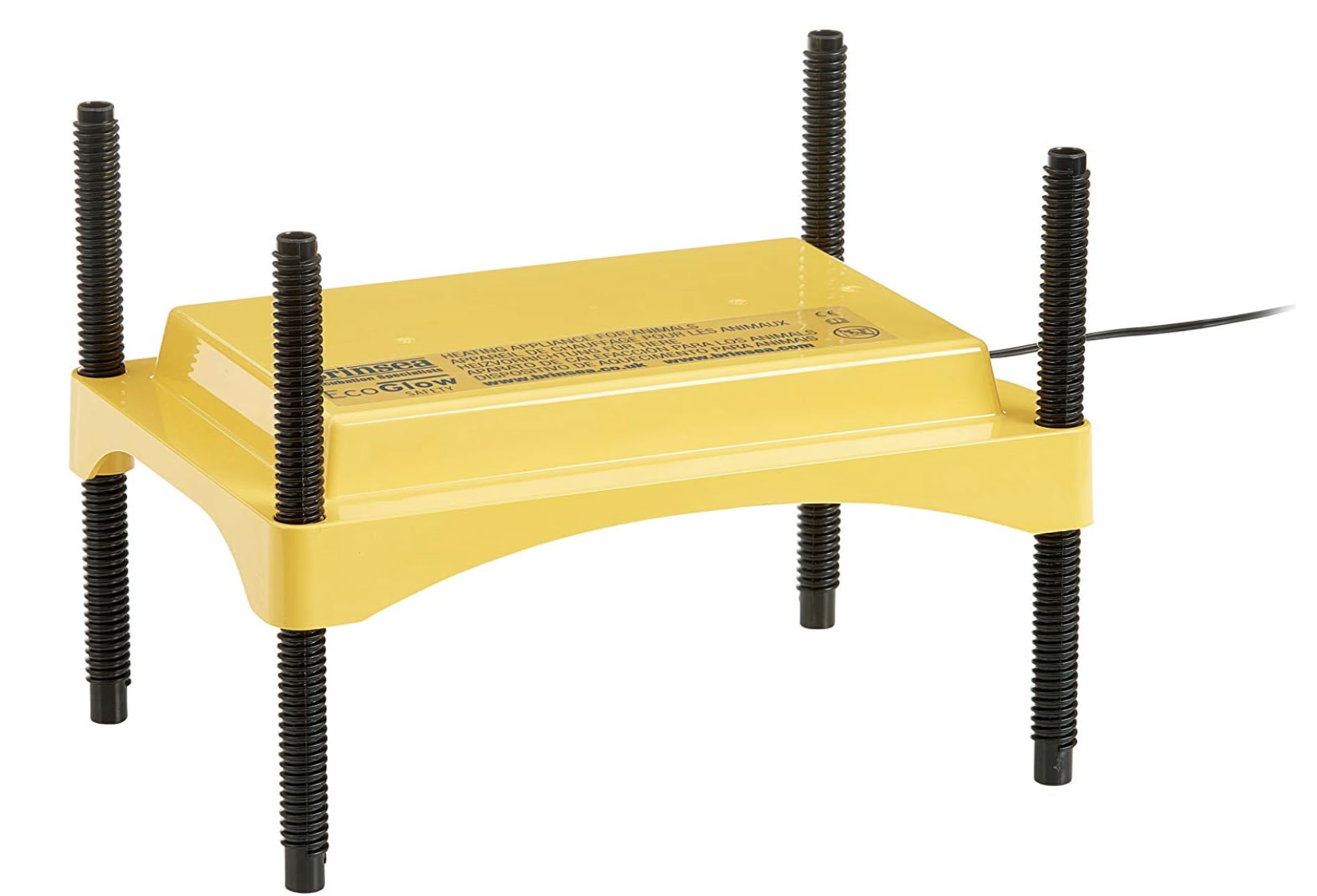
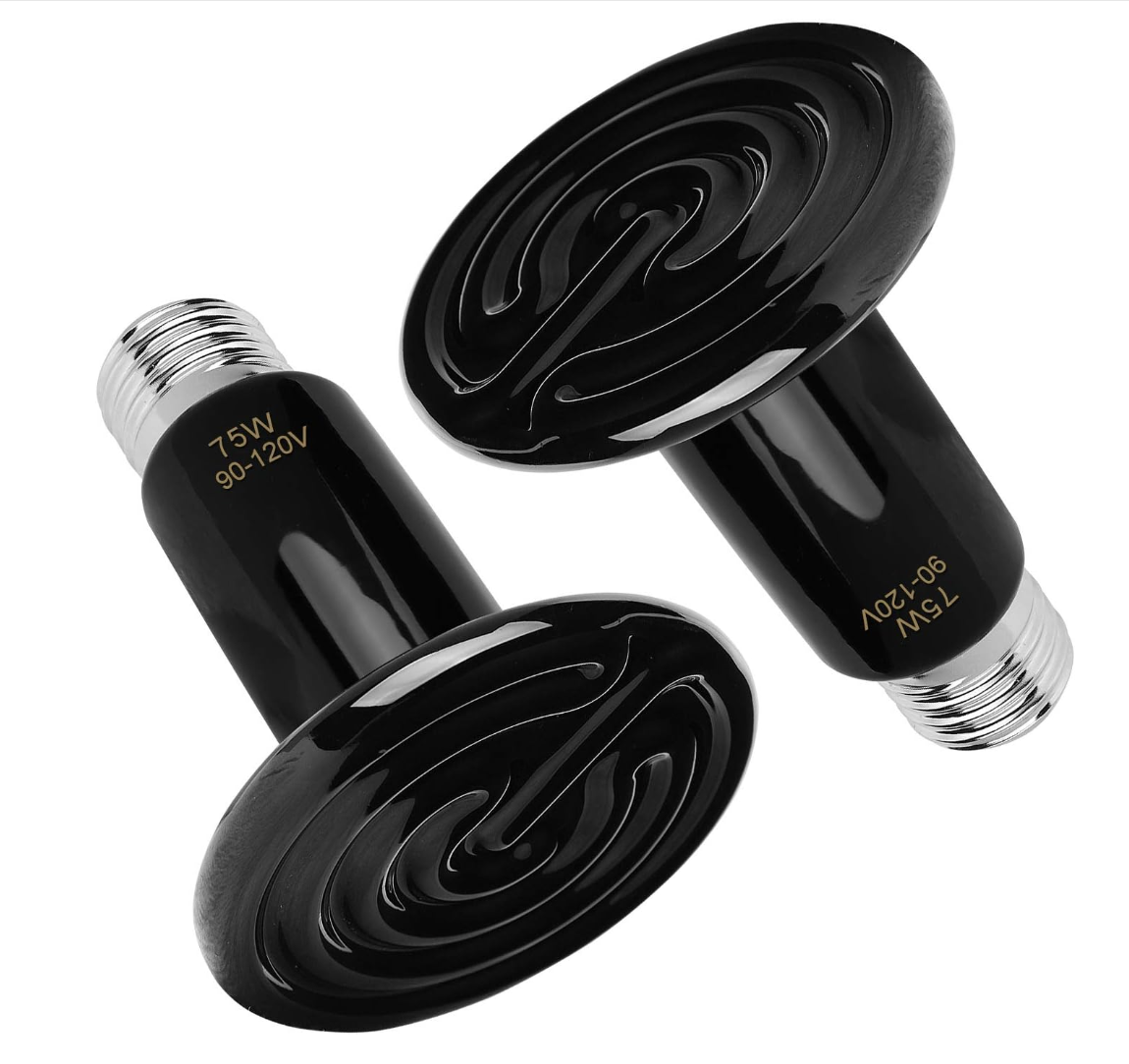
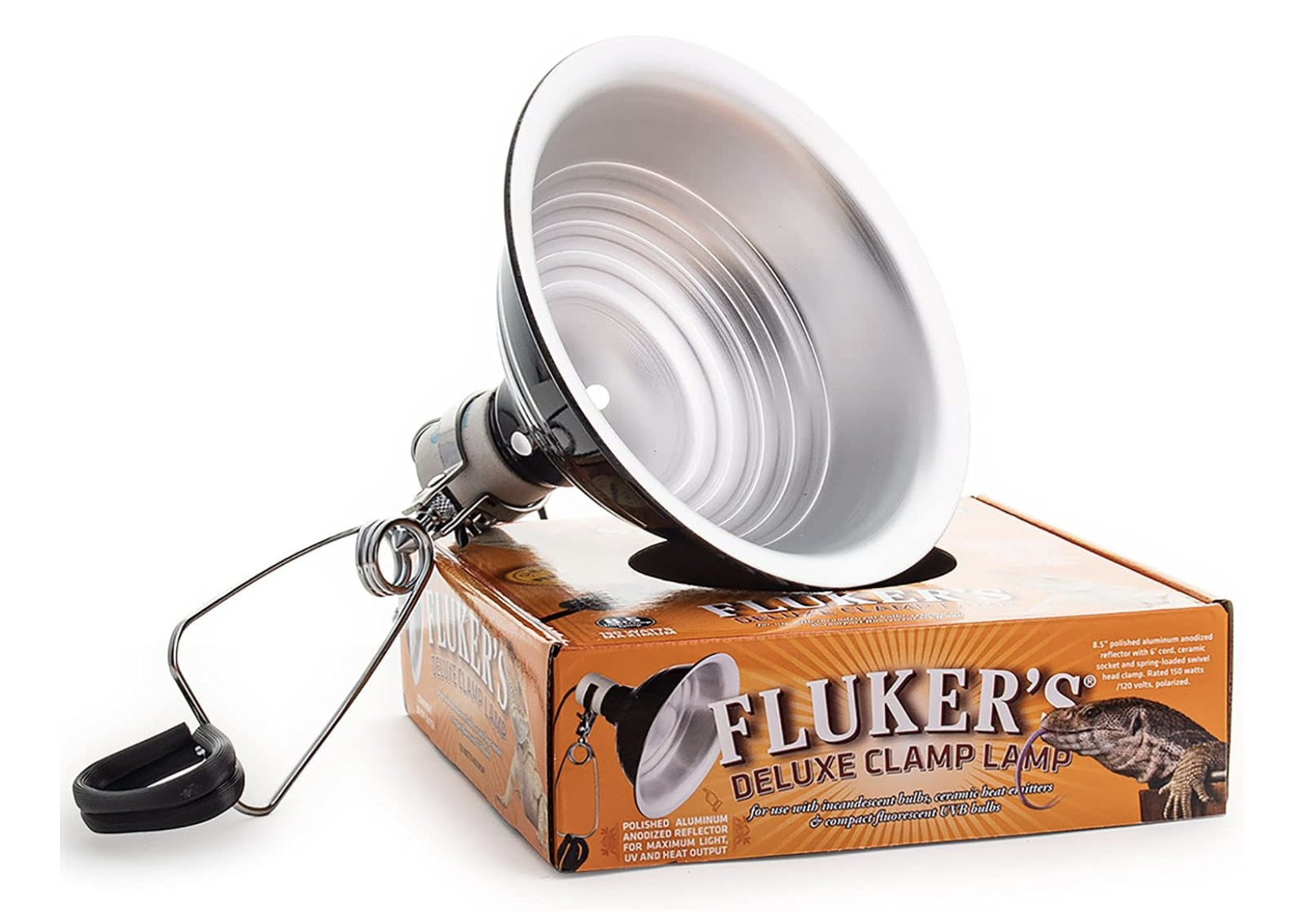
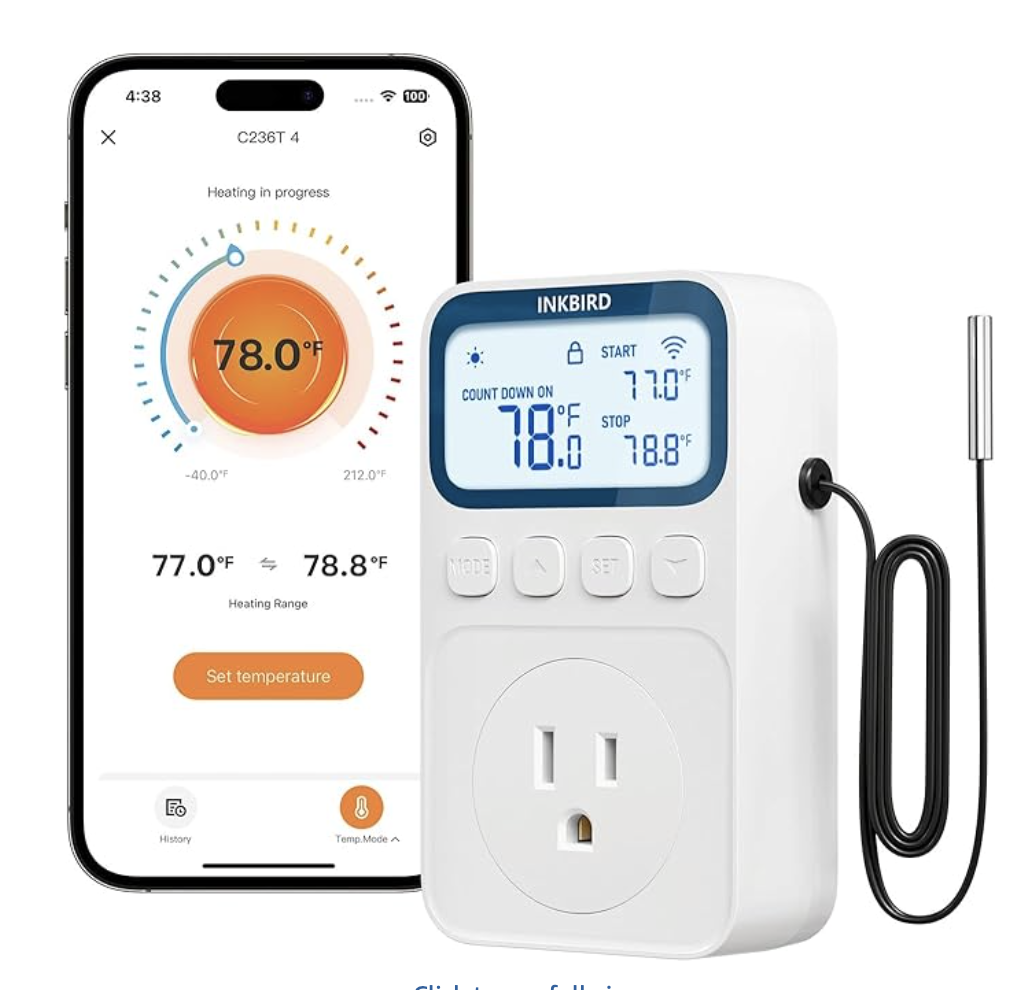
I set up the brooder plate as the daytime heat, and then put the reptile bulb into a fixture (make sure it is rated for the wattage of your bulb) plugged into an Inkbird and program the Inkbird to come on at whatever the minimum temperature is for the age of the chicks. When it gets cold in the middle of the night, the Inkbird will add additional heat. During the day, when it is warmer, the brooder plate will do the job.
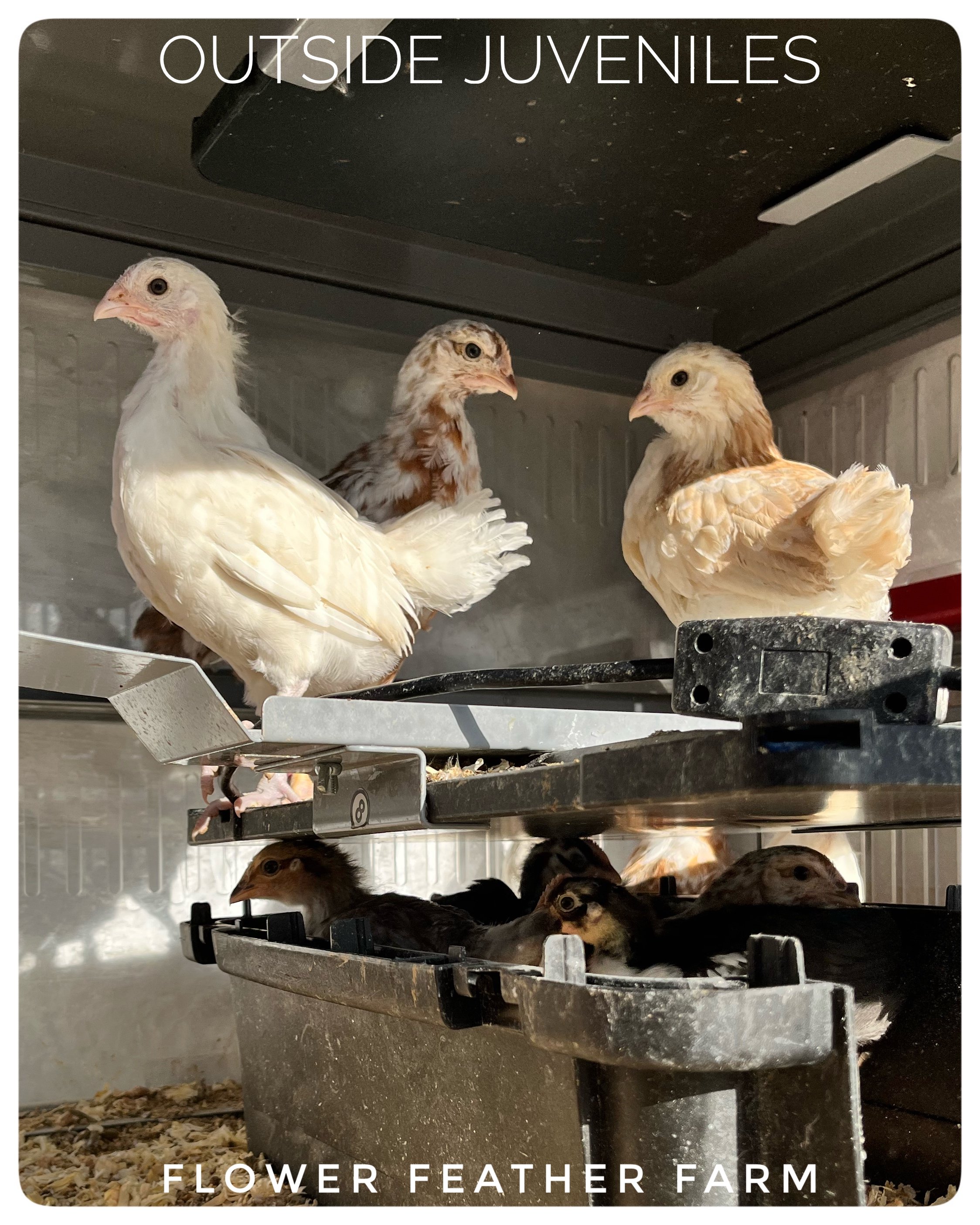
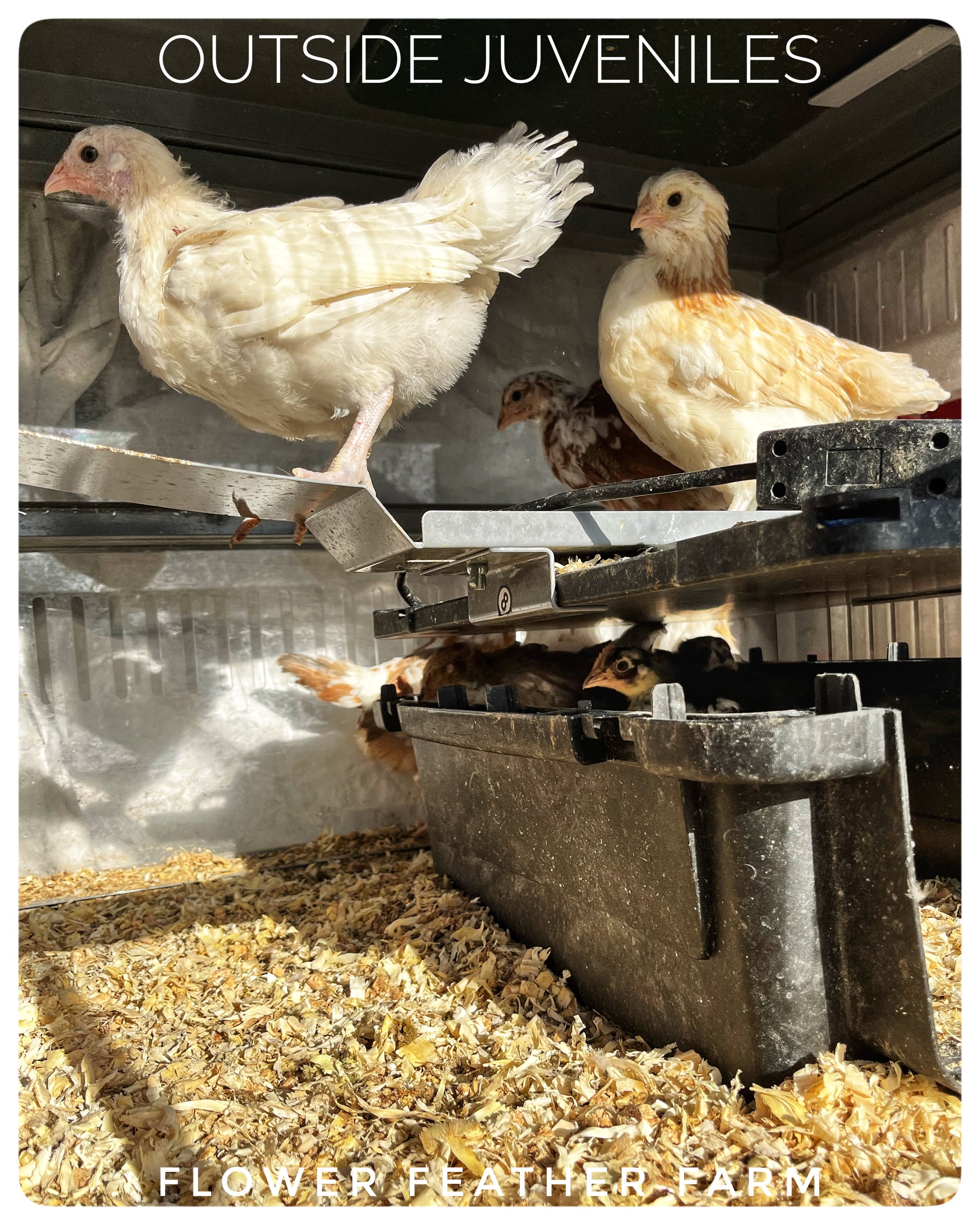
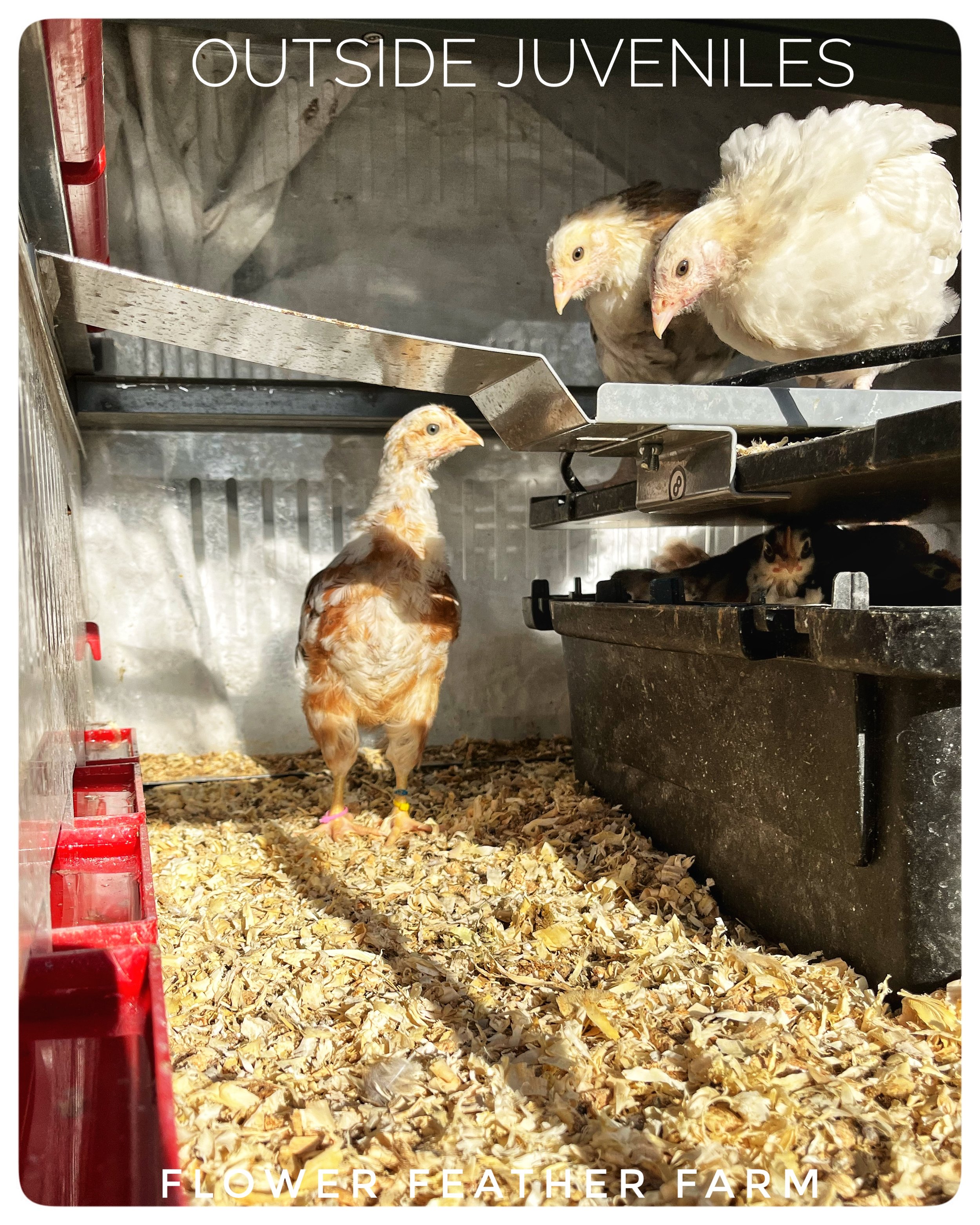
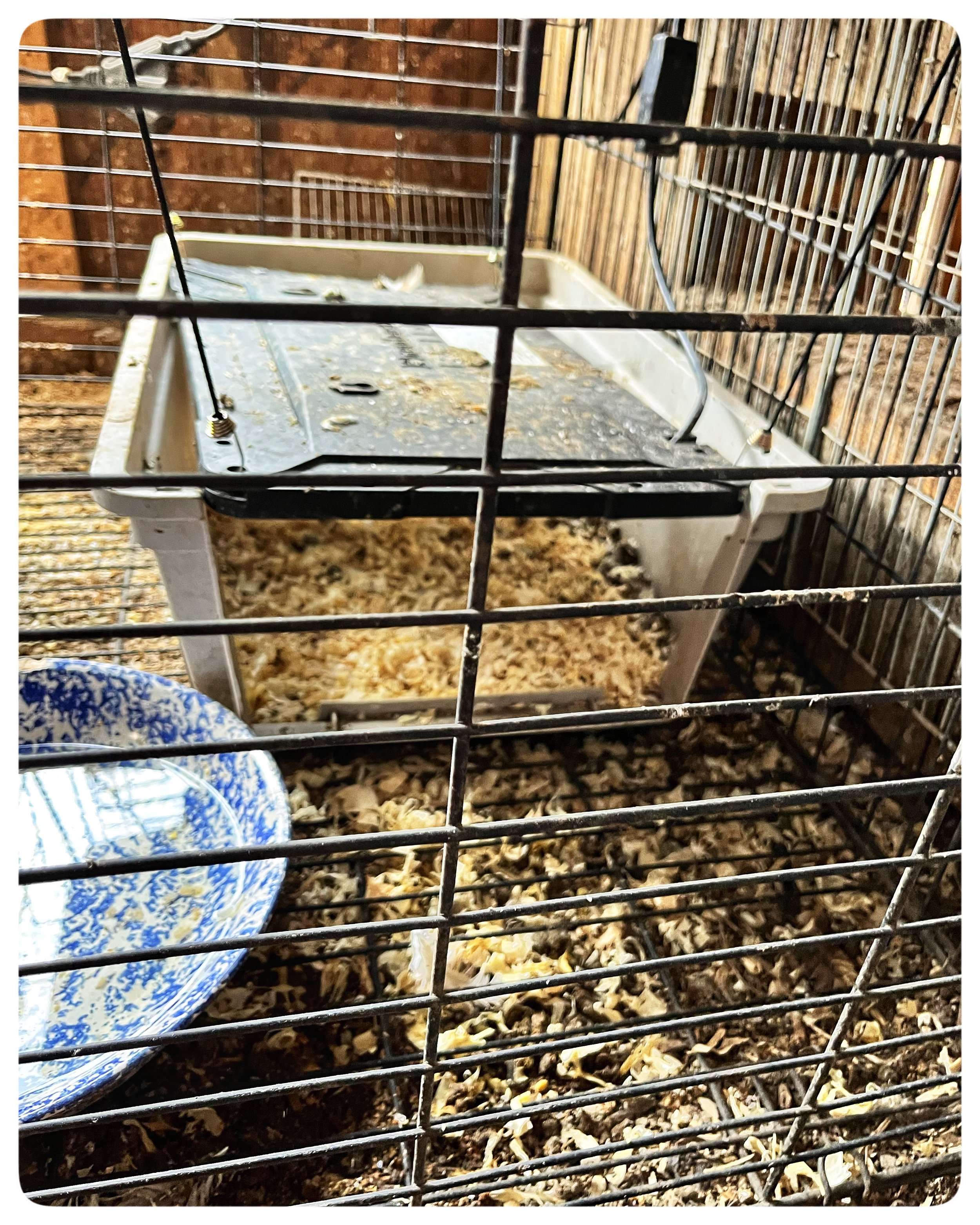
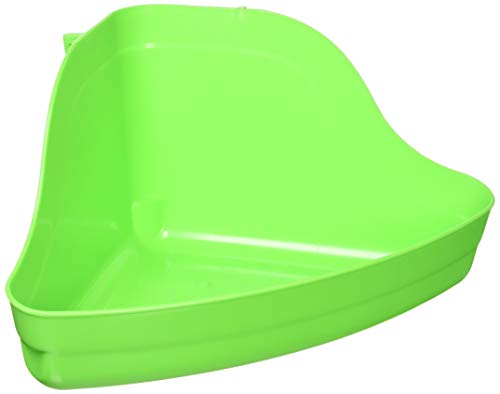
I use the bottom half of a pet carrier or these cute triangle beds under the brooders — I like that I could position the high back of the triangle bed to block any wind or drafts. We add hemp bedding on the floor which helps hold the heat in and acts like a dessicant on poop, which keeps the bed dryer.
The juveniles stay in the Grow=Out pen until they move into the flock between 4 and 10 weeks old, depending on how many juveniles I have for that pen and how many adults are already in that flock. The more littles you can add relative to bigs, the bettter.
I set them up with the some supplemental heat, again on the Inkbird thermostat, though at a much lower setting by now — often it only comes on at night — and the same bed. It’s helpful to move the bed with the dirty bedding along with them, as it helps them recognize where their sleeping spot it.
The pic below shows a wire dog kennel on its side which serves as the juvenile feed station, safe from the big kids. I have a separate wire dog kennel on its side for their sleeping area. At 10 weeks I turn the heat off and start roost-training them — that is, I go out every night and physically set them on a roost. More on adding littles to bigs here.

I do make sure the run has lots of hidey-holes for the little kids, in case the big kids are feeling mean. Pallets work well for this. More tips on this here in the Keeping Your Broody Hen with Her Flock post.
Below is the guide I use to set the temperature ranges on the Inkbird thermostats.
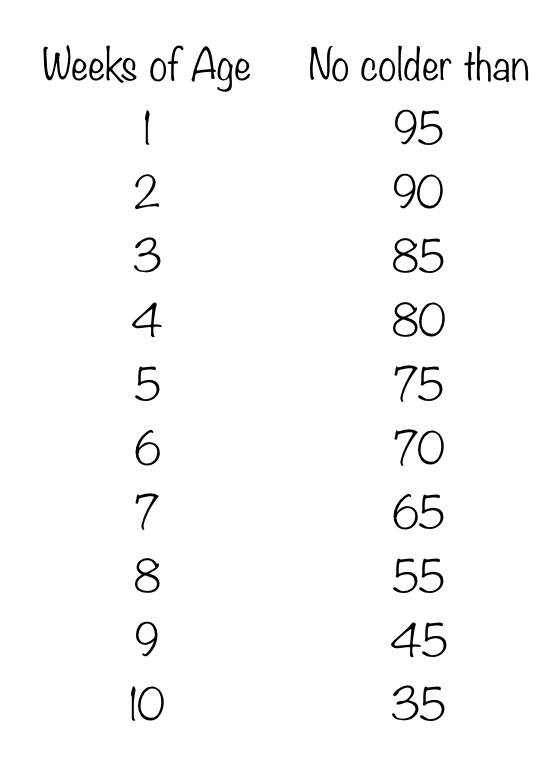
Rule of thumb guide to age and overnight lows.
Article originally published October of ‘23 and updated May of ‘26.