
Basic Supplies
Hatching

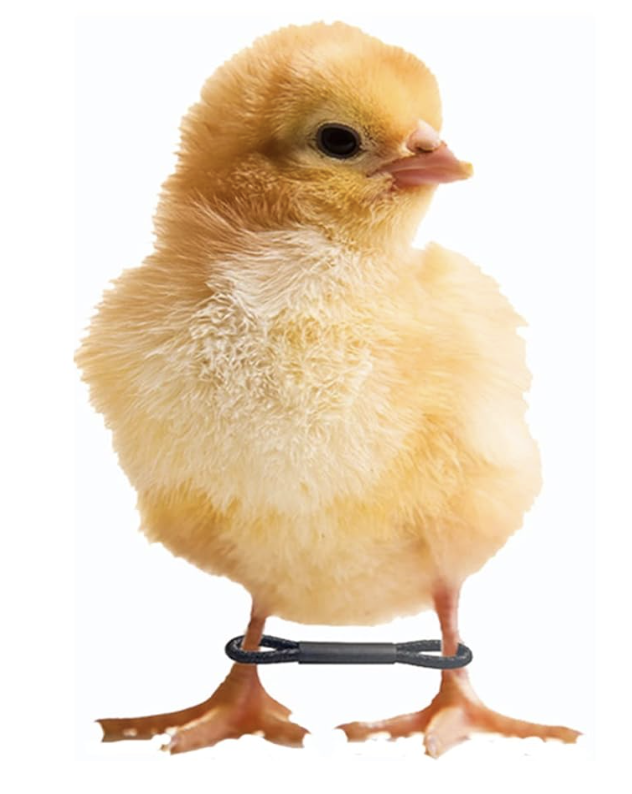

Hobbles — for splay leg. This is what you will want to use if your hatchling develops splay leg from a slippery surface.
Painters Tape — for curly toes. If your hatchling’s toes are curled under, stick the toes to the tape and arrange them as they should be. Fold the tape over and press it together between the toes. Remove the excess tape. Leave on for 24 hours and recheck.
Brooder


Rabbit Waterer: I far prefer this to a basin or bowl. They can’t kick shavings into it nor can they drown in it. To clean it, put some dry rice, some dish soap, and some hot water in it, shake vigorously and rinse.
Medicated Chick Starter: Medicated works against coccidiosis which can take your chickie from perky to dead in an afternoon.
Lizard Lamp or Brooder Plate: I use Lizard Bulbs as they don’t emit light and allow the chicks to get accustomed to night and day. They are also far less of a fire-hazard. That said, the Brooder Plates are the best bet, though a lot more money.
Shavings & Wood Pellets: I use both shavings and wood pellets. The pellets are great for absorbing moisture, the shavings help the chicks keep their footing. Pellets roll too much and you don’t want slippage as it leads to splay leg.



Medical Kit
Injury
Bumble Foot Care: Bumble foot is the problem I deal with the most. A bird gets a small wound from a thorn or what-not and it gets infected. Lots of info on-line on how to deal with it. Here is what I use.
Rubber Gloves as well as Eye and Face Protection. Bumblefoot is a staph infection and you don’t want that on your skin or around your face.
Epsom Salt: Soak your ailing birdie in a warm epsom salt bath before you begin. This will feel good and the bath will clean the feet for you.
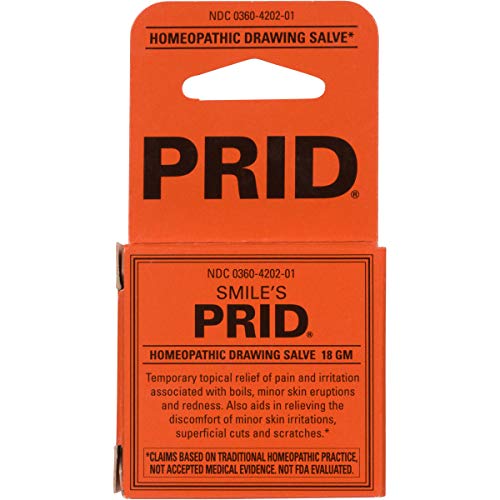
PRID drawing salve: this is amazing stuff. Always try this prior to getting out the Surgical Kit and needles.
Surgical Kit: I hate having to do this, but it is part of the responsibility.
Vet Wrap — for holding the bandages on.
Antibiotics, Syringes and Needles: get these at the local feed store.
Gauze Pads and Vet Wrap: to package up the foot afterwards.


Ailments
Vet Rx: If you hear a sniffle or a sneeze or a wheeze, add Vet Rx to their water immediately and dip a Q-tip into the bottle and dab it under Ms. Sniffles wingpits. It is a miracle cure.
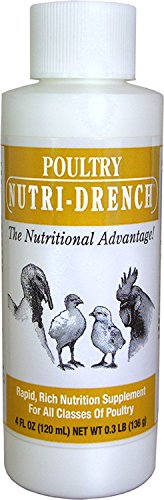
NutraDrench: If any one looks off or you are worried about them, add NutraDrench to their water as well. I use the NutraDrench and the Vet Rx together.
Corid (Amprolium): Coccidiosis is a common dirt-born problem for chicks. There is so much written about it that is easily available through Google that I am not going to rewrite it all. You want to have some of this on hand because once it strikes, you don’t have a lot of time.
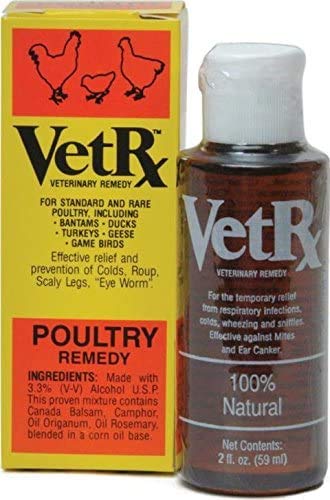
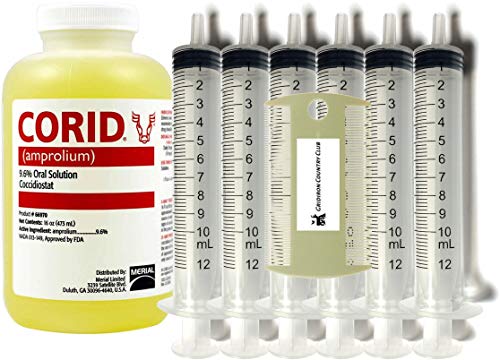
Obviously it would be very costly to purchase all this right off the bat. You won’t need the bumblefoot stuff until they go outside, so wait on that. If your feedstore runs sales, watch those and grab the Corid on discount if you can.
I would recommend the VetRx and Nutri-Drench right away though. I have had so many chicks that were doing poorly at bedtime make full recovery by morning with a little of these in their water.


Fall chicks are spring layers. They grow up during the off-season and when spring arrives, they start laying and don’t slow down.
You’ve ordered your chicks and set your pick-up appointment. Now what?
Now is a great time to do a little reading so that you are well-equipped to take excellent care of your little ones.
As chick season heats up, I want to talk to you about Chick Flippers. These are people who place large orders from commercial hatcheries, have the chicks shipped in, and then list them for sale at a HUGE mark-up on Craigslist etc. They don’t disclose . . .
Please oh please don't use a feather duster. Yes, they will love it, but when you find the one that got tangled in it and hung herself, you will feel awful.
Well that depends on many things, chiefly the weather and what does your outside set-up entail.
The rule of thumb is that they need to be ten weeks old if the over-night low is going to be around 30.
That said, I put them out at four weeks at about any time of year. What? Yes. Four weeks, with supplemental heat.
One of my customers — a first-time chicken dad — glibly remarked, “I think I’ll get into breeding, how hard can it be?” One of my more diplomatic friends responded, “You would be surprised.”
No, this is not a dating guide. If you are looking for your soulmate, volunteer with an organization that aligns with your values and priorities. All those other volunteers are your pre-filtered field of candidates. Now, back to chicks . . .
Dalia Monterroso, local resident and President of Chickenlandia, just published a book: “Let's All Keep Chickens!: The Down-to-Earth Guide to Natural Practices for Healthier Birds and a Happier World”.
”Readers will learn how to plan their flock, how to raise baby chicks, what to look for in a chicken coop, how to keep chickens healthy naturally, and more.”
Are you just planning on just one round of chicks? Let me save you the trouble of gathering up all the necessary supplies.
Great question. Chick prices vary according to availability, quality, and investment.
I’ve shared quite a few of my best tips and tricks for setting up a chick brooder, but what about the next step? When they are too little to just toss into the big girl coop, but too big stinky to stay in the house.
At this point, I put them in the big girl coop, with accomodations.
I house birds of different ages together regularly. Here is how I introduce them.
Stella Stargazer: before and after Selenium treatment for wry neck.
We had a great hatch this weekend: 47 eggs went into the hatcher, 46 chicks came out.
New Year, New Floofs: Wheaten/Blue Wheaten/Splash Ameraucanas and Wheaten/Blue Wheaten Marans
Brooder set-up tips, encore.
How to help her, and better yet, how to minimize the occurrences of sticky chick.
Surprise! You are a mama!
Medicated Chick Starter and Fermented Feed.
Girl Chick? Boy Chick? How is one to know?
Sexing chicks. Alas, not as easy as we would wish.